
 Trees & tree leaves


 If you have too much…
 How people use it
 In the kitchen
 Traditional uses
 Home & garden
 Fun facts


Cinnamon

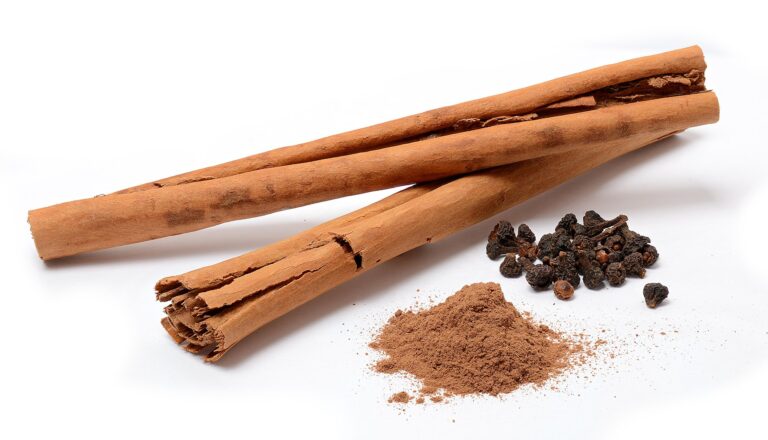
Cinnamomum verum (Ceylon), Cinnamomum cassia (cassia)
- Superpowers
-
 Blood sugar
- Careful
- Large amounts, Liver problems
🤩 A cinnamon stick is a rolled-up piece of tree bark!
Cinnamomum verum (Ceylon), Cinnamomum cassia (cassia) · Laurel family (Lauraceae)
Hi, I'm Cinnamon! I'm a sweet-smelling spice made from tree bark.
In grown-ups with diabetes, cinnamon pills lowered blood sugar Sugar from food that travels in your blood to give your body energy. in many studies. But experts say more good studies are needed.
🟡 Scientists think so
For kids OK in normal food Pills, powders & oils: ask a grown-up first
A sprinkle of cinnamon on fruit, porridge or rice pudding is fine for kids. Never swallow dry cinnamon for a dare. Cinnamon pills are for grown-ups.

⛔ Avoid
Never swallow a spoonful of dry cinnamon as a dare. It can get into your lungs and really hurt you.

⚠️ Ask a doctor first
Eating lots of cassia cinnamon every day may tire the liver. Normal amounts in food are fine.

⚠️ Ask a doctor first
Cinnamon in food is fine for mums expecting a baby. Big amounts or pills are not.

👀 Be careful
People taking diabetes medicine should ask their doctor before cinnamon pills.

👀 Be careful
Some people get an itchy rash from cinnamon oil or powder on the skin.
Natural does not always mean safe. Always ask a grown-up before trying something new, and a doctor or pharmacist before taking any supplement. Try the safety check →
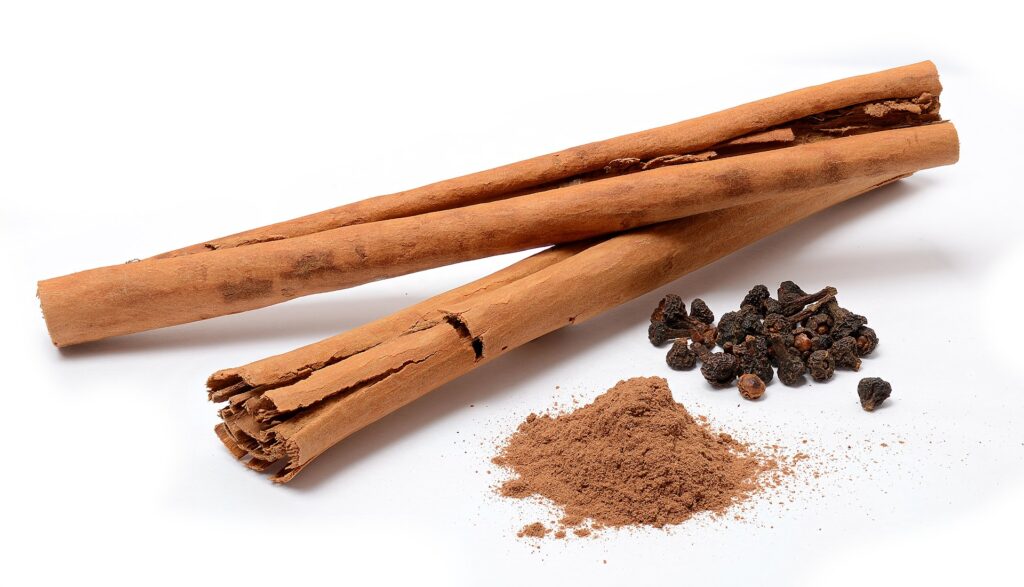
Cinnamon comes from the bark of a tree that grows in hot, wet places. Farmers peel the bark, and it curls up into sticks as it dries. The sticks can be ground into a brown powder.
Cinnamon smells sweet and warm. We use it in cakes, rice pudding, tea and Moroccan tagines.
🔵 Grandma's wisdom — not proven by science
A cinnamon stick is a rolled-up piece of tree bark!
There are two main kinds: Ceylon cinnamon and cassia cinnamon.
Long ago, cinnamon was so precious that it was given as a gift to kings.
🙅 Cinnamon comes from a big tropical tree that needs a hot, wet climate, so it is very hard to grow at home.
Answer 3 questions. Get 2 right to win this plant’s badge for your garden!
Cinnamon sticks come from which part of a tree?
Cinnamon is dried tree bark that curls into sticks.
Someone dares you to swallow a spoonful of dry cinnamon. What do you do?
Dry cinnamon powder can get into your lungs and cause serious harm.
Which cinnamon has more coumarin?
Cassia can contain a lot of coumarin; Ceylon has only traces.
🏅 You earned the Cinnamon badge!
Almost! Read the page again and retry — you can do it! 💪
Print it, cut it out and collect them all!
Cinnamomum verum (Ceylon), Cinnamomum cassia (cassia)
Blood sugar
🤩 A cinnamon stick is a rolled-up piece of tree bark!
General information, not medical advice. Talk to a doctor or pharmacist before using any herbal supplement — especially during pregnancy or breastfeeding, for children, before surgery, or if you take medicines. Medical disclaimer
| Use | Evidence | Details |
|---|---|---|
| Blood sugar | 🟡 Some evidence (small human studies) | A 2024 dose-response meta-analysis of 24 randomised trials in type 2 diabetes found cinnamon supplements reduced fasting glucose, insulin resistance and HbA1c[2]. NCCIH, however, considers it unclear whether cinnamon helps diabetes and calls for higher-quality research[1]. |
✅ Reviewed by sm_owner on September 26, 2026.
Last updated September 25, 2026. How we write and check our pages

