For kidsOK in normal foodPills, powders & oils: ask a grown-up first
Tea has caffeine, so it is not for babies and little kids. Older kids should keep tea small, not too strong and not near bedtime. Moroccan tea is often very sweet, so go easy on the sugar.
Babies & young kids
⚠️ Ask a doctor first
Tea is not for babies. It can stop their body from taking in iron A mineral that helps your blood carry air (oxygen) around your body..
Liver problems
⚠️ Ask a doctor first
Very strong green tea pills have hurt some people's liver. Tea as a drink is fine for grown-ups.
Blood-pressure problems or medicines
⚠️ Ask a doctor first
People with high blood pressure or heart rhythm problems should ask a doctor before green tea pills.
Taking medicines
⚠️ Ask a doctor first
People taking medicine should ask a doctor before green tea pills.
Pregnancy
👀 Be careful
Mums expecting a baby should not drink too much tea, because of the caffeine A natural stuff in tea, coffee and cola that makes you feel awake. Too much can make you jumpy and keep you up at night..
Breastfeeding
👀 Be careful
Mums who breastfeed can have some tea. Lots of it can make a baby fussy.
If you have too much…
Strong green tea pills can upset the tummy.
Tea late in the day can make it hard to fall asleep.
Natural does not always mean safe. Always ask a grown-up before trying something new, and a doctor or pharmacist before taking any supplement. Try the safety check →
What is it?
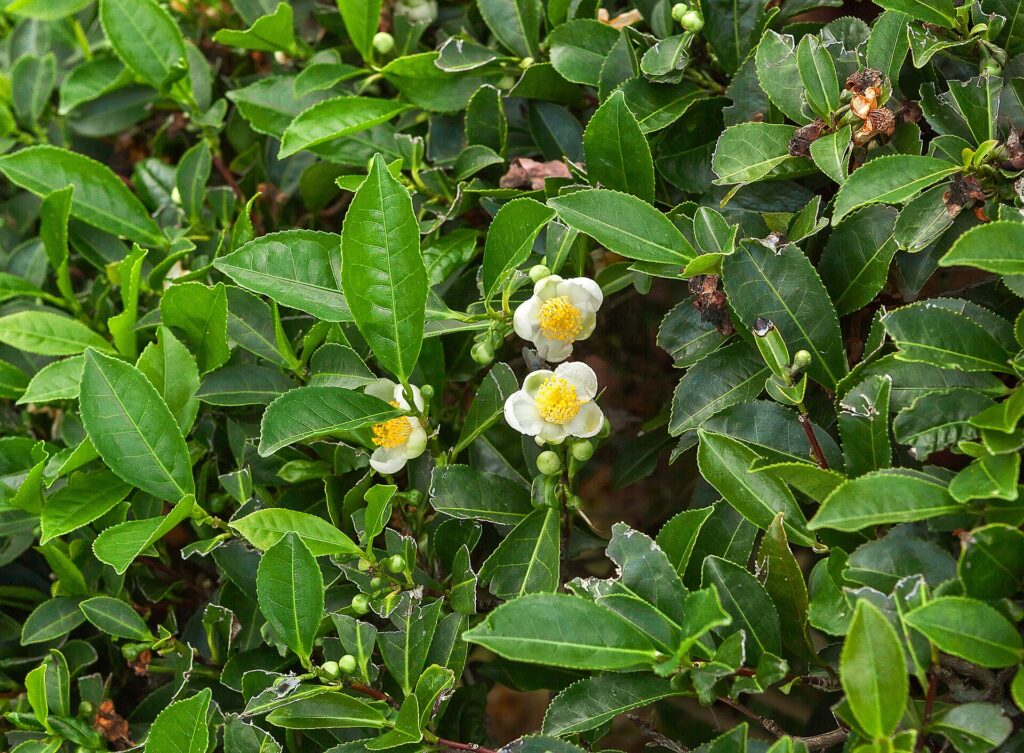
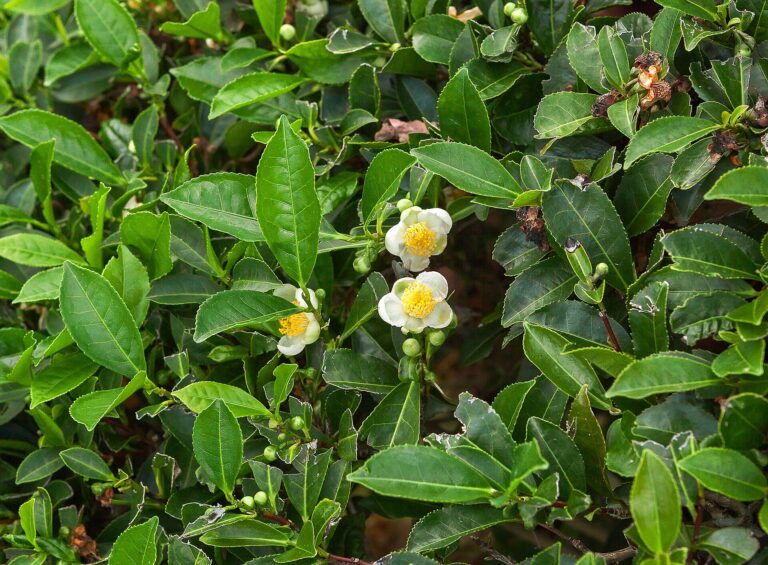
Green tea is made from the leaves of the tea plant. It is a bush with shiny leaves and white flowers. Green, black and oolong tea all come from this same plant.
In Morocco, green tea is made with fresh mint. It is poured from high up to make foam. Tea has caffeine A natural stuff in tea, coffee and cola that makes you feel awake. Too much can make you jumpy and keep you up at night., which can keep you awake.
How people use it
In the kitchen
Brewed with fresh mint and sugar to make Moroccan tea (atay).
Drunk plain, hot or cold.
Traditional uses
🔵 Grandma's wisdom — not proven by science
Serving tea is a sign of welcome in Moroccan homes.
Home & garden
Used tea leaves can go on the compost heap.
Fun facts
1
Green, black and oolong tea all come from the same plant — they are just made in different ways.
2
Moroccan tea is poured from high up to make a little foam on top.
3
The tea plant is a cousin of the camellia flowers in gardens.
4
People in China started growing tea thousands of years ago.
Grow it yourself
⭐⭐⭐ Tricky
⛅ Some sun
💧💧 Regular water
🪴 Grows in a pot
⏳ About 3 years before a young bush gives lots of leaves
Buy a small tea plant from a garden shop.
Plant it in a big pot with soil made for camellias.
Keep it in bright shade, and keep the soil damp.
Pick the top two leaves and the bud to make tea.
💡 Tea bushes grow slowly. Be patient!
Quiz time!
Answer 3 questions. Get 2 right to win this plant’s badge for your garden!
Which teas come from the same plant as green tea?
Green, black and oolong tea all come from the tea plant.
Why is Moroccan tea poured from high up?
Pouring from high up makes a little foam on the tea.
What is in tea that can keep you awake?
Tea has caffeine, so it's best not to drink it at bedtime.
🏅 You earned the Green tea badge!
Almost! Read the page again and retry — you can do it! 💪
🤩 Green, black and oolong tea all come from the same plant — they are just made in different ways.
For grown-ups: science, amounts & safety
Tap to open
General information, not medical advice. Talk to a doctor or pharmacist before using any herbal supplement — especially during pregnancy or breastfeeding, for children, before surgery, or if you take medicines. Medical disclaimer
What the research says
Use
Evidence
Details
Heart & blood vessels
🟡 Some evidence (small human studies)
In randomised trials, mostly of green tea extract supplements rather than the drink, green tea reduced total and LDL cholesterol to a small extent but did not change HDL cholesterol or triglycerides[1]. Green tea drinking has been linked to a lower risk of coronary heart disease in Asian but not Western populations[1].
Brain & focus
🟠 Early evidence (lab or animal studies only)
A 2025 meta-analysis of randomised trials in healthy adults found that L-theanine plus caffeine (both found in tea) gave small-to-moderate short-term improvements in attention and mood in the first two hours, with much uncertainty; more research with tea itself is needed. Some authors worked for a tea company[2].
Energy
🔵 Traditional use (not scientifically confirmed)
The EU herbal committee recognises green tea for relief of fatigue and a feeling of weakness as a traditional use in adults; it is not recommended under 18[3].
Who should be careful & interactions
⚠️ Ask a doctor firstBabies & young kids:
Giving tea directly to infants can interfere with iron absorption and cause anaemia[4]. Green tea medicines are not recommended under 18 years[3].
⚠️ Ask a doctor firstLiver problems:
Liver injury, although uncommon, has been reported mainly with green tea extract tablets or capsules; people with a certain common gene variant appear more susceptible[1]. No safety concerns have been reported for green tea as a beverage in adults[1].
👀 Be carefulPregnancy:
Green tea contains caffeine, and caffeine intake in pregnancy should not exceed moderate levels[1]. Green tea medicines are not recommended during pregnancy or breastfeeding[3].
👀 Be carefulBreastfeeding:
Fussiness, jitteriness and poor sleep have been reported in infants of mothers with extremely high caffeine intakes[4]; breastfed infants usually have no problems when mothers consume low-to-moderate amounts[1].
⚠️ Ask a doctor firstBlood-pressure problems or medicines:
Green tea medicines should not be used with stomach or duodenal ulcers, high blood pressure, heart rhythm disorders or an overactive thyroid[3]; green tea extract supplements can raise blood pressure[1].
⚠️ Ask a doctor firstTaking medicines:
High doses of green tea can reduce blood levels of the beta-blocker nadolol; green tea extract can lower levels of atorvastatin, and an interaction with raloxifene has been shown[1]. Caffeine can weaken sedatives and increase side effects of stimulant (sympathomimetic) drugs[3].
Possible side effects
Mild
Side effects of green tea extract supplements include nausea, constipation and abdominal discomfort[1].
Mild
Not recommended before bedtime as it may disturb sleep; more than about 300 mg caffeine (around 5 cups of tea) can cause restlessness and tremor[3].



 If you have too much…
 How people use it
 In the kitchen
 Traditional uses
 Home & garden
 Fun facts


 Heart & blood vessels
 Brain & focus
 Energy

