For kidsOK in normal foodPills, powders & oils: ask a grown-up first
Ginger in cooking, cookies or a mild ginger tea is fine for most kids. Pills, powders and strong ginger shots are only for kids if a doctor says so.
Allergies
⛔ Avoid
If ginger ever made your skin itchy or your mouth swell, stay away from it.
Pregnancy
⚠️ Ask a doctor first
Mums expecting a baby should ask their doctor before taking ginger pills.
Breastfeeding
⚠️ Ask a doctor first
Mums feeding a baby with their milk should ask a doctor before taking ginger pills.
Babies & young kids
⚠️ Ask a doctor first
Ginger in food is fine for kids. Ginger pills and strong ginger shots are for grown-ups, unless a doctor says so.
Taking medicines
👀 Be careful
If you take medicine, a grown-up should check with the doctor or pharmacist The medicine expert at the pharmacy who can tell you if plants and medicines mix safely. before you take ginger pills.
Heartburn & reflux
👀 Be careful
Too much ginger can give a burning feeling in your chest.
If you have too much…
Your tummy may feel sore or you may need the toilet more.
Your mouth or throat may feel hot and tingly.
Natural does not always mean safe. Always ask a grown-up before trying something new, and a doctor or pharmacist before taking any supplement. Try the safety check →
What is it?
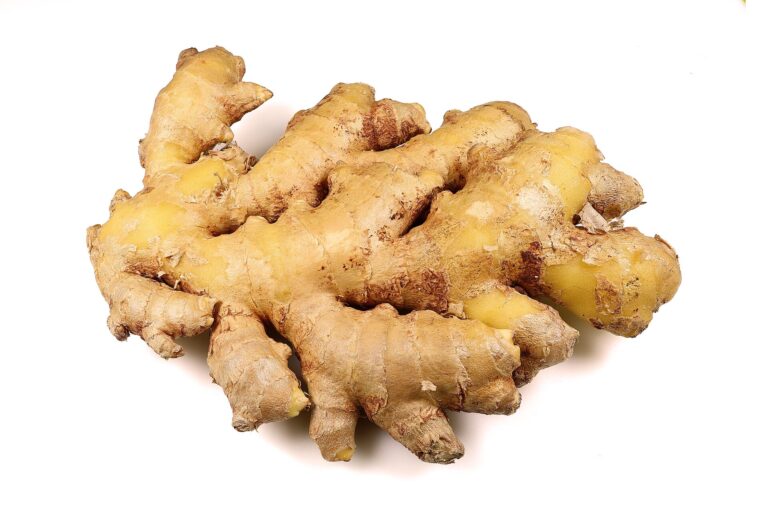
Ginger is a bumpy plant part that grows under the ground. It looks like a root, but it is really a stem. It tastes hot and a little bit like lemon.
People first grew ginger in warm parts of Asia. Today we use it all over the world, in food, in drinks and in old family remedies.
How people use it
In the kitchen
Grated into tagines, soups and stir-fries.
Baked into gingerbread and ginger cookies.
Sliced into hot water with lemon for a warm drink.
Traditional uses
🔵 Grandma's wisdom — not proven by science
Sipped as a warm drink for colds and tummy aches.
Chewed by travellers to feel less sick on boats.
Home & garden
A piece of fresh ginger with little buds can grow into a new plant.
Fun facts
1
The part we eat is not a root. It is an underground stem called a rhizome.
2
The hot taste comes from gingerol The spicy stuff in ginger that makes your tongue feel warm.. When ginger is dried or cooked, some of it changes and tastes even stronger or sweeter.
3
Ginger is a cousin of turmeric. Both belong to the same plant family.
4
In Morocco, ginger (skinjbir) is one of the spices in the famous mix called ras el hanout.
Grow it yourself
⭐⭐ Medium
⛅ Some sun
💧💧 Regular water
🪴 Grows in a pot
⏳ About 8 to 10 months
Ask a grown-up for a fat, fresh piece of ginger with little bumps. The bumps are buds.
Soak it in a bowl of water overnight.
Lay it in a wide pot, buds up, just under the soil.
Keep it warm and the soil a little damp, never soggy.
Green shoots come up after a few weeks. When the leaves turn yellow, dig up your ginger!
💡 Ginger loves warmth. Keep it inside when nights get cold.
Quiz time!
Answer 3 questions. Get 2 right to win this plant’s badge for your garden!
Which part of the ginger plant do we usually eat?
We eat the bumpy underground stem, called a rhizome.
What gives ginger its hot taste?
Gingerol is the natural stuff that makes ginger spicy.
You feel sick in the car. What is the safest idea?
Tell a grown-up. Looking far away helps many people, and only grown-ups decide about pills.
🏅 You earned the Ginger badge!
Almost! Read the page again and retry — you can do it! 💪
Feeling sick (nausea) Period cramps Aches & swelling
Careful
Allergies, Pregnancy
Growing
⭐⭐
🤩 The part we eat is not a root. It is an underground stem called a rhizome.
For grown-ups: science, amounts & safety
Tap to open
General information, not medical advice. Talk to a doctor or pharmacist before using any herbal supplement — especially during pregnancy or breastfeeding, for children, before surgery, or if you take medicines. Medical disclaimer
What the research says
Use
Evidence
Details
Feeling sick (nausea)
🟡 Some evidence (small human studies)
A meta-analysis of 12 trials (1,278 pregnant women) found ginger improved nausea compared with placebo, but not the number of vomiting episodes; the evidence was of low quality[3]. A Cochrane review judged the evidence for all remedies for early-pregnancy nausea, including ginger, to be limited[4]. The EU herbal committee accepts powdered ginger for preventing motion-sickness nausea in adults[2], whereas NCCIH notes that most motion-sickness studies have not shown a benefit[1].
Period cramps
🟡 Some evidence (small human studies)
A meta-analysis of four randomised placebo-controlled trials found ginger powder reduced pain in primary dysmenorrhoea; the authors called the evidence suggestive[5]. NCCIH also says ginger supplements might reduce menstrual cramp severity[1].
Aches & swelling
🟡 Some evidence (small human studies)
In a meta-analysis of five trials (593 people with osteoarthritis), ginger gave a modest reduction in pain and disability, but people taking it were more than twice as likely to stop because of side effects[6]. NCCIH notes much of this research is of poor quality[1].
Tummy & digestion
🔵 Traditional use (not scientifically confirmed)
The EU herbal committee recognises ginger for mild, spasmodic digestive complaints such as bloating and wind, and for temporary loss of appetite, as a traditional use based on long-standing use rather than clinical trials[2].
Colds & coughs
🔵 Traditional use (not scientifically confirmed)
Relief of common-cold symptoms is listed by the EU herbal committee as a traditional use only, not proven in clinical studies[2].
Amounts used in studies (adults)
Not a recommendation. Not for children unless a doctor says so. Products differ a lot — follow the label and your health professional.
Powdered ginger (pregnancy nausea trials):
Trials used various daily doses; results seemed better below 1,500 mg per day, split into several doses.[3] Only with the advice of a midwife or doctor[3].
Powdered ginger (period pain trials):
750–2,000 mg per day during the first 3–4 days of the period.[5]
Who should be careful & interactions
⛔ AvoidAllergies:
Do not use ginger products if you are allergic to ginger; skin allergic reactions have been reported[2].
⚠️ Ask a doctor firstPregnancy:
Ginger in normal food amounts is fine. For supplements, NCCIH says use in pregnancy may be safe but advises consulting a health professional[1]; the EU herbal committee does not recommend ginger medicines during pregnancy for lack of data[2]. The pregnancy meta-analysis found no significant increase in miscarriage risk[3].
⚠️ Ask a doctor firstBreastfeeding:
Little is known about ginger supplements while breastfeeding[1], and the EU herbal committee does not recommend ginger medicines during breastfeeding[2].
⚠️ Ask a doctor firstBabies & young kids:
The EU herbal committee does not recommend ginger medicines for under-18s for most uses, nor for children under 6 for motion sickness, because of a lack of adequate data[2].
👀 Be carefulTaking medicines:
No interactions with medicines had been described when the EU herbal committee last assessed ginger[2]. As with any herb, NCCIH advises telling your health-care provider before combining it with medicines[1].
👀 Be carefulHeartburn & reflux:
Heartburn is among the most common side effects of ginger taken by mouth[1].
Possible side effects
Mild
Abdominal discomfort, heartburn and diarrhoea[1]; stomach complaints affect up to 1 in 100 users of ginger medicines[2].

 Spices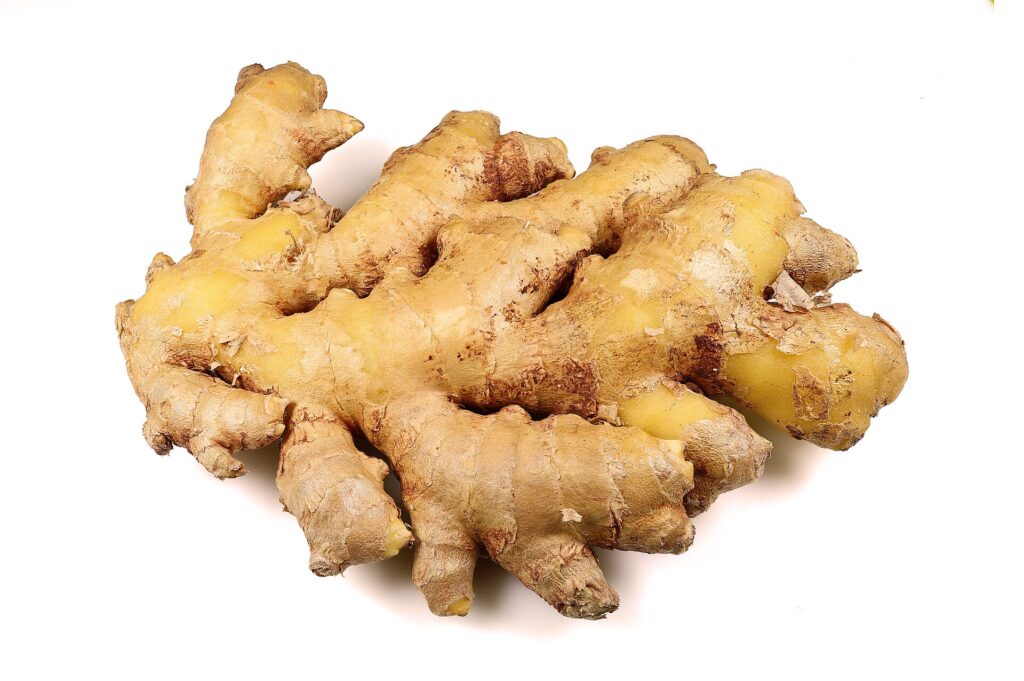


 Natural does not always mean safe. Always ask a grown-up before trying something new, and a doctor or pharmacist before taking any supplement.
 How people use it
 In the kitchen
 Traditional uses
 Home & garden
 Fun facts


 Feeling sick (nausea)
 Period cramps
 Aches & swelling

