Propolis creams may help small sores and scrapes heal. Scientists are still testing them.
🟡 Scientists think so
Skin
Propolis ointment may help cold sores on the lips heal a little faster.
🟡 Scientists think so
Blood sugar
In grown-ups with high blood sugar Sugar from food that travels in your blood to give your body energy., propolis pills lowered it a little in studies. More tests are needed.
🟡 Scientists think so
Mouth & teeth
Toothpastes and mouthwashes with propolis may help keep sticky plaque off your teeth.
🟡 Scientists think so
Immune shield
In the lab, propolis can stop some germs Living things too small to see, like bacteria and viruses. Some can make you ill.. That does not mean it protects people from getting sick.
🟠 Still being studied
What do the colored dots mean?
🟢 Scientists are sure Strong evidence (several good human trials)
🟡 Scientists think so Some evidence (small human studies)
🟠 Still being studied Early evidence (lab or animal studies only)
🔵 Grandma's wisdom Traditional use (not scientifically confirmed)
For kidsPills, powders & oils: ask a grown-up first
Propolis is a bee product, not a food. Creams, sprays and drops are for grown-ups to decide, and never for kids who are allergic to bees or honey.
Bee, honey or pollen allergy
⛔ Avoid
If bees, honey or propolis ever made you itchy or swollen, stay away from propolis.
Allergies
⚠️ Ask a doctor first
If your skin gets red or itchy after using a propolis cream, wash it off and tell a grown-up.
Pregnancy
⚠️ Ask a doctor first
Mums expecting a baby should ask a doctor before using propolis.
Babies & young kids
⚠️ Ask a doctor first
Propolis sprays and drops are for grown-ups to decide. Kids should not take them on their own.
Diabetes medicines
👀 Be careful
People taking diabetes medicine should ask their doctor before taking propolis pills.
If you have too much…
Some people get an itchy, red rash where they used propolis.
Natural does not always mean safe. Always ask a grown-up before trying something new, and a doctor or pharmacist before taking any supplement. Try the safety check →
What is it?
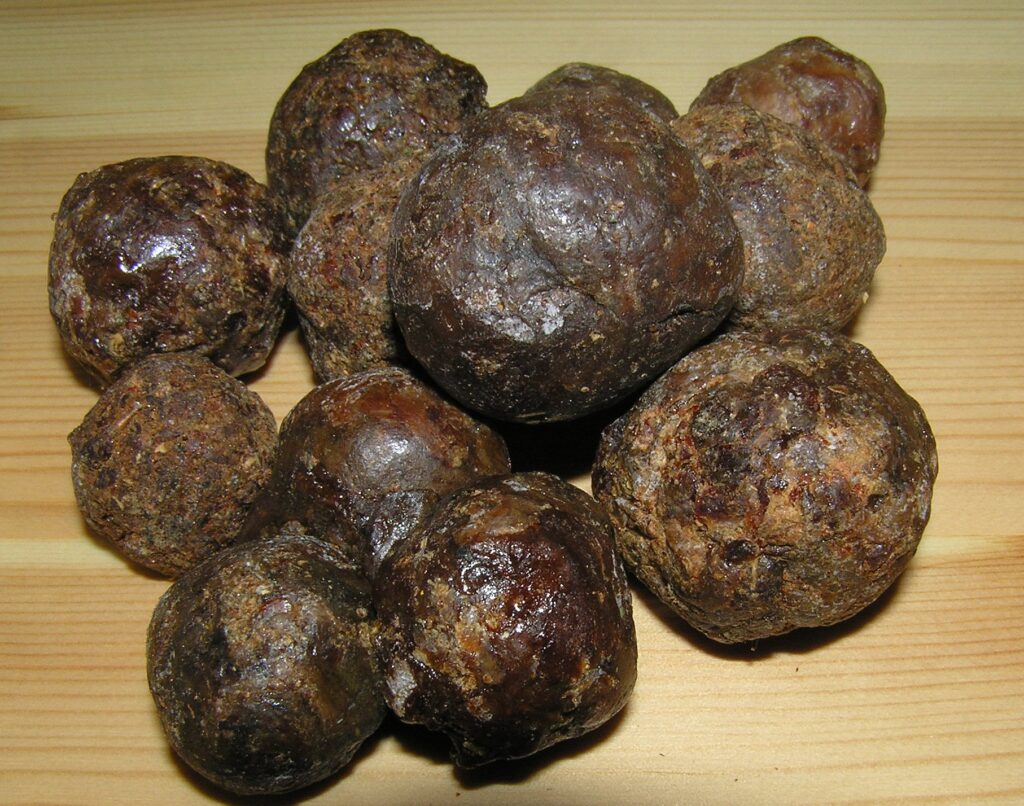
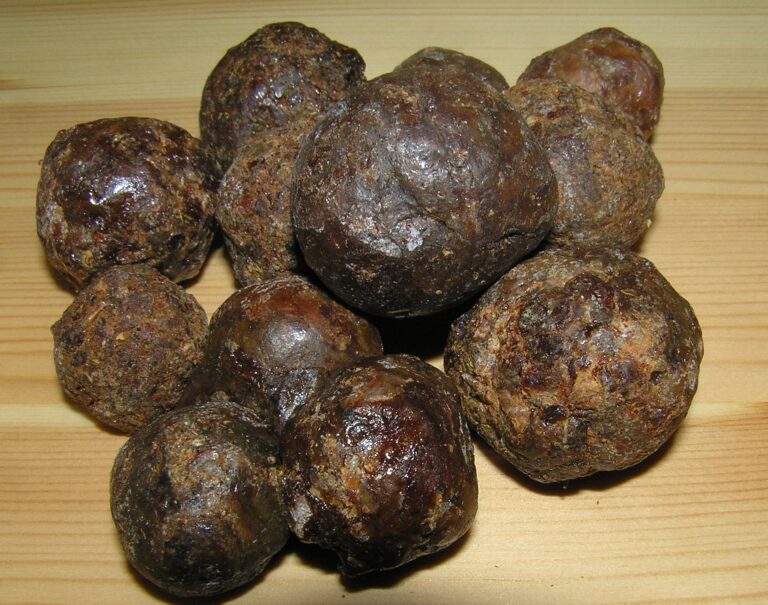
Propolis is not a plant. It is a sticky, brown goo that bees make. They collect resin A sticky goo that trees make to protect their wounds. from tree buds and mix it with wax and spit.
Bees use it like glue and like a shield. They fill little cracks in the hive with it, and it helps keep germs out. People use it in creams, sprays and drops.
How people use it
In the kitchen
Found in some throat sweets and chewing gums.
Traditional uses
🔵 Grandma's wisdom — not proven by science
Used since ancient times on wounds and sores.
On skin & body
In creams, lip balms and toothpastes.
Home & garden
Bees use it to seal cracks and to narrow the door of the hive in winter.
Fun facts
1
Its name comes from Greek: “pro” means in front of and “polis” means city. It guards the bee city!
2
If a mouse sneaks into a hive and dies there, bees can cover it in propolis so it does not rot.
3
Propolis can be yellow, red, brown or even green, depending on the trees the bees visit.
Grow it yourself
🙅 You can't grow propolis — bees make it! But you can help bees: plant flowers and never spray poison on them.
Quiz time!
Answer 3 questions. Get 2 right to win this plant’s badge for your garden!
Who makes propolis?
Bees collect resin from tree buds and mix it with wax and spit.
What do bees use propolis for?
Propolis works like glue and a germ shield for the hive.
Who should stay away from propolis?
Propolis can cause allergies, especially in people already allergic to bee products.
🏅 You earned the Propolis badge!
Almost! Read the page again and retry — you can do it! 💪
Propolis (bee glue made by Apis mellifera from plant resins)
Superpowers
Cuts, burns & wounds Skin Blood sugar
Careful
Bee, honey or pollen allergy, Allergies
🤩 Its name comes from Greek: “pro” means in front of and “polis” means city. It guards the bee city!
For grown-ups: science, amounts & safety
Tap to open
General information, not medical advice. Talk to a doctor or pharmacist before using any herbal supplement — especially during pregnancy or breastfeeding, for children, before surgery, or if you take medicines. Medical disclaimer
What the research says
Use
Evidence
Details
Cuts, burns & wounds
🟡 Some evidence (small human studies)
A 2023 systematic review and meta-analysis of 43 studies reported that propolis promoted healing of skin wounds and ulcers more than classically used treatments, often in combination with other materials[2].
Skin
🟡 Some evidence (small human studies)
A 2022 meta-analysis of 9 studies found that topical propolis healed herpes simplex lesions (cold sores and genital herpes) better than acyclovir cream[3].
Blood sugar
🟡 Some evidence (small human studies)
A 2024 dose-response meta-analysis of 21 randomised trials in adults found reductions in fasting glucose, insulin and HbA1c with propolis; the authors call for long-term, high-quality trials to confirm this[4].
Mouth & teeth
🟡 Some evidence (small human studies)
A 2026 meta-analysis of 45 trials found that propolis toothpastes, mouthwashes and similar products reduced plaque and oral bacteria compared with no active treatment, but not better than chlorhexidine; certainty was very low and caries itself was rarely measured[6].
Immune shield
🟠 Early evidence (lab or animal studies only)
Propolis has antibacterial, antifungal and antiviral properties in laboratory studies[1]; this does not show that supplements prevent infections in people.
Who should be careful & interactions
⛔ AvoidBee, honey or pollen allergy:
Propolis is a recognised cause of contact allergy and allergic contact dermatitis[1]. Many positive allergy tests occur in people already sensitised to fragrances[5]. Avoid propolis if you are allergic to it or to bee products.
⚠️ Ask a doctor firstAllergies:
People allergic to fragrance ingredients may react to propolis because of cross- or pseudo-cross-reactions[5].
⚠️ Ask a doctor firstPregnancy:
The clinical trials pooled in meta-analyses were done in adults[4]; safety during pregnancy and breastfeeding has not been established.
⚠️ Ask a doctor firstBabies & young kids:
Evidence on oral propolis comes from adult trials[4]; its use in children has not been well studied.
👀 Be carefulDiabetes medicines:
Because propolis may lower fasting glucose and HbA1c[4], people on glucose-lowering medicines should monitor their blood sugar and talk to their doctor.
Possible side effects
Moderate
Allergic contact dermatitis from propolis-containing products[1].
Names & identifiers
Scientific name
Propolis (bee glue made by Apis mellifera from plant resins)



 If you have too much…
 Natural does not always mean safe. Always ask a grown-up before trying something new, and a doctor or pharmacist before taking any supplement.
 How people use it
 In the kitchen
 Traditional uses
 Home & garden
 Fun facts


 Cuts, burns & wounds
 Skin
Skin
 Blood sugar

