


 Natural does not always mean safe. Always ask a grown-up before trying something new, and a doctor or pharmacist before taking any supplement.
 How people use it
 In the kitchen
 Traditional uses
 Fun facts


Spinach

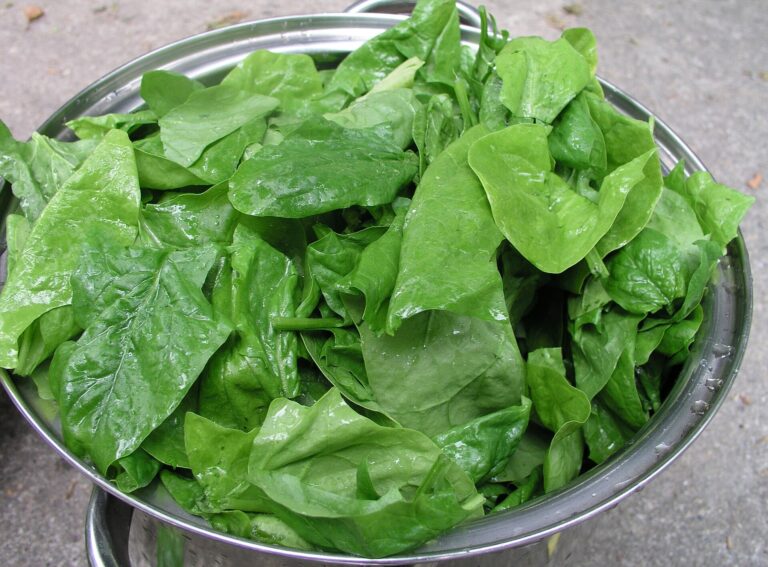
Spinacia oleracea
- Superpowers
-
 Vitamins & good food
- Careful
- Blood-thinning medicines, Kidney problems or stones
- Growing
- ⭐
🤩 Popeye the Sailor ate spinach to get super strong!
Spinacia oleracea · Amaranth family (Amaranthaceae)
Hi, I'm Spinach! My leaves are soft and green, and I shrink like magic when I'm cooked!
Spinach gives you vitamin A for your eyes, vitamin K for your bones, and folate for growing.
🟢 Scientists are sure
For kids OK in normal food Pills, powders & oils: ask a grown-up first
Spinach is great for kids — try it in omelettes, soups or green pancakes. For babies, serve it freshly cooked, once a day at most.

⚠️ Ask a doctor first
People who take a blood-thinning medicine called warfarin should eat about the same amount of greens each week.

⚠️ Ask a doctor first
People who get some kinds of kidney stones may need to eat less spinach.

⚠️ Ask a doctor first
Babies should not have spinach more than once a day, or when they have a tummy bug. Cooked spinach should be eaten fresh.
Natural does not always mean safe. Always ask a grown-up before trying something new, and a doctor or pharmacist before taking any supplement. Try the safety check →
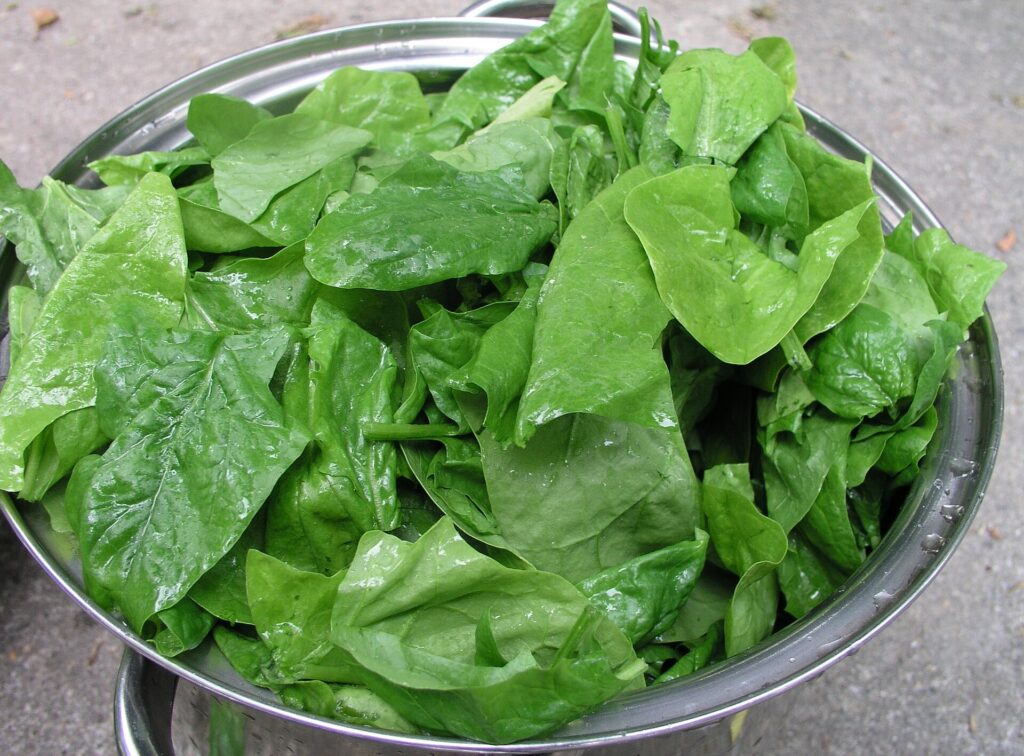
Spinach is a leafy green plant. We eat its soft, dark green leaves, raw in salads or cooked.
Spinach grows fast in cool weather. A big bag of fresh leaves cooks down to just a small bowl!
🔵 Grandma's wisdom — not proven by science
Popeye the Sailor ate spinach to get super strong!
Spinach has iron A mineral that helps your blood carry air (oxygen) around your body., but your body takes in only a little of it.
Spinach probably first grew in ancient Persia, today's Iran.
Cooked spinach shrinks to a tiny pile because its leaves are mostly water.
💡 Hot weather makes spinach grow a tall flower stem and taste bitter.
Answer 3 questions. Get 2 right to win this plant’s badge for your garden!
What happens to spinach when you cook it?
Spinach leaves are mostly water, so they shrink a lot when cooked.
Which cartoon sailor loved spinach?
Popeye ate spinach to get strong in his cartoons.
Which vitamin is spinach super rich in?
Spinach is one of the richest foods in vitamin K.
🏅 You earned the Spinach badge!
Almost! Read the page again and retry — you can do it! 💪
Print it, cut it out and collect them all!
Spinacia oleracea
Vitamins & good food
🤩 Popeye the Sailor ate spinach to get super strong!
General information, not medical advice. Talk to a doctor or pharmacist before using any herbal supplement — especially during pregnancy or breastfeeding, for children, before surgery, or if you take medicines. Medical disclaimer
| Use | Evidence | Details |
|---|---|---|
| Vitamins & good food | 🟢 Strong evidence (several good human trials) | Per 100 g, raw spinach provides only 23 kcal but 469 µg vitamin A (RAE), 483 µg vitamin K, 194 µg folate, 2.7 mg iron and 558 mg potassium[1]. |
| Energy | 23 kcal |
|---|---|
| Protein | 2.9 g |
| Carbohydrates | 3.6 g |
| Fiber | 2.2 g |
| Vitamin A | 469 µg |
| Vitamin C | 28.1 mg |
| Vitamin K | 482.9 µg |
| Folate | 194 µg |
| Iron | 2.7 mg |
| Calcium | 99 mg |
| Magnesium | 79 mg |
| Potassium | 558 mg |
✅ Reviewed by sm_owner on September 26, 2026.
Last updated September 26, 2026. How we write and check our pages

